


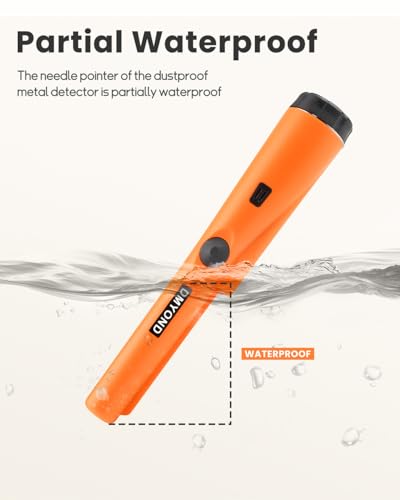
DNYKER Metal Detector
We engineered the DNYKER Metal Detector for both first-time hobbyists and experienced treasure hunters who demand reliable performance in diverse terrain. This lightweight detector combines multi-frequency scanning technology with intuitive controls, allowing you to identify coins, jewelry, relics, and ferrous metals with confidence.
Our waterproof search coil extends your hunting grounds to shallow streams and wet sand, while the adjustable aluminum stem adapts to users from 3'6" to 6'2" in height. Whether you're sweeping a backyard, exploring a historic site, or combing a beach at dawn, the DNYKER Metal Detector delivers clear audio alerts and visual target ID on its backlit LCD display.
- Waterproof 10-inch search coil for shallow water and wet sand detection
- Adjustable aluminum stem telescopes from 42" to 51" length
- Three detection modes: All Metal, Discrimination, and Pinpoint
- Backlit LCD screen displays target depth, metal type, and sensitivity level
- Frequency range of 5-12 kHz for enhanced coin and jewelry sensitivity
Waterproof Coil & All-Terrain Construction
The DNYKER Metal Detector’s 10-inch search coil features a fully sealed waterproof housing rated for submersion up to 12 inches, opening up riverbanks, tide pools, and rain-soaked fields to your detecting adventures. We built the coil from impact-resistant polymer that withstands rocks, roots, and hard-packed soil without cracking.
The telescoping aluminum stem locks securely at any height between 42 and 51 inches, accommodating junior detectorists and taller adults alike. Foam-padded armrest and ergonomic handgrip reduce strain during multi-hour sessions. This same durable design philosophy you’ll find across our tools and equipment ensures every component stands up to field use season after season.
Three Detection Modes for Every Target Type
All Metal Mode
Maximizes depth and sensitivity to detect any metallic object, ideal for general sweeps in parks or fields where you want to catalogue everything below the surface.
Discrimination Mode
Filters out iron junk and pull-tabs while highlighting valuable targets like coins, rings, and relics. Adjustable discrimination settings let you fine-tune which metals trigger an alert, saving time by ignoring bottle caps and nails.
Backlit Display & Audio Alerts
Our backlit LCD panel remains clearly visible in dawn light, dappled forest shade, or dusk conditions, displaying a numeric target ID (1-99 scale), estimated depth in inches, and a five-segment conductivity bar. High-conductivity targets like silver coins register in the 80-99 range, while mid-conductivity brass and copper fall between 50-79.
The built-in speaker emits distinct tones for ferrous versus non-ferrous metals, and volume adjusts in five increments. For silent hunting in public spaces or noise-sensitive sites, plug any standard 3.5mm headphones into the jack to route all audio privately. Battery life extends beyond 15 hours of continuous use, so weekend detecting trips rarely require mid-session battery swaps.
Explore More Detection & Workshop Tools




What people are saying


Common Questions About Your DNYKER Metal Detector
The search coil is waterproof and rated for submersion up to 12 inches, making it suitable for shallow saltwater wading and wet sand detection. The control housing is splash-resistant but not fully submergible, so avoid dunking the display unit in waves.
For best results in saltwater environments, use All Metal mode and adjust ground balance to compensate for mineralized sand, which can cause false signals if sensitivity is set too high.
Two 9V alkaline batteries power the detector for approximately 15-20 hours of continuous operation, depending on backlight usage and volume level. We recommend carrying spare batteries on full-day outings.
Battery status displays on the LCD screen, giving you advance warning before power runs out. Rechargeable 9V lithium batteries are compatible and offer similar runtime with the added benefit of reusability.
Detection depth varies by target size, metal composition, and soil mineralization. Coin-sized objects typically register at 6-8 inches in moderately mineralized soil, while larger items like belt buckles or cans can be detected at 10-12 inches.
In highly mineralized ground, reduce sensitivity to minimize false signals, which may slightly decrease maximum depth. Pinpoint mode helps you verify target location once the detector alerts, ensuring you dig in the right spot.
Discrimination mode filters out most iron trash, bottle caps, and pull-tabs by analyzing each target's conductivity signature. However, no detector can achieve 100% junk elimination, as some aluminum foil and oxidized coins may share similar conductivity ranges with valuable targets.
You can adjust discrimination levels through the control panel to find the balance between filtering junk and retaining good targets. Experienced users often run lower discrimination settings to avoid missing borderline targets.
Yes, the aluminum stem telescopes from 42 inches to 51 inches and locks securely at any intermediate position. This range accommodates users from approximately 3'6" to 6'2" in height comfortably.
The armrest and handgrip positions are also adjustable along the stem, allowing you to dial in ergonomics for extended detecting sessions. Younger detectorists may need occasional re-adjustment as they grow.
Any wired headphones or earbuds with a standard 3.5mm audio plug are compatible with the DNYKER Metal Detector. Many users prefer over-ear models with foam padding for better ambient noise isolation in windy or high-traffic areas.
Wireless Bluetooth headphones do not work, as the detector outputs analog audio only. Wired headphones also eliminate battery and pairing concerns, ensuring uninterrupted audio during long hunts.
Ground balance calibration compensates for mineral content in soil that can cause false signals. To calibrate, hold the detector with the coil 6-8 inches above the ground, then press and hold the ground balance button while slowly pumping the coil up and down.
The LCD will display a numeric ground balance value that stabilizes as the detector learns the soil signature. Repeat this process whenever you move to a new site with different soil composition, such as switching from a park to a beach environment.